Who Are We?
 History
 Our Staff
 Associations
 PSNI
PSNI
 Privacy Policy
 Monitoring centers
 Meeting rooms and auditoriums
 Digital Advertising
 Physical Security
 Personal Workspaces


 Videowalls
 Screens
 Access Control
 CCTV
CCTV
 Projectors
 Audio
Audio
 Automation
 A/V Accessories
 Videoconferencing
 Interior design and furniture
 Corporate
 Government
 Education
 Broadcast
 Financial Services
 Retail
 Gaming
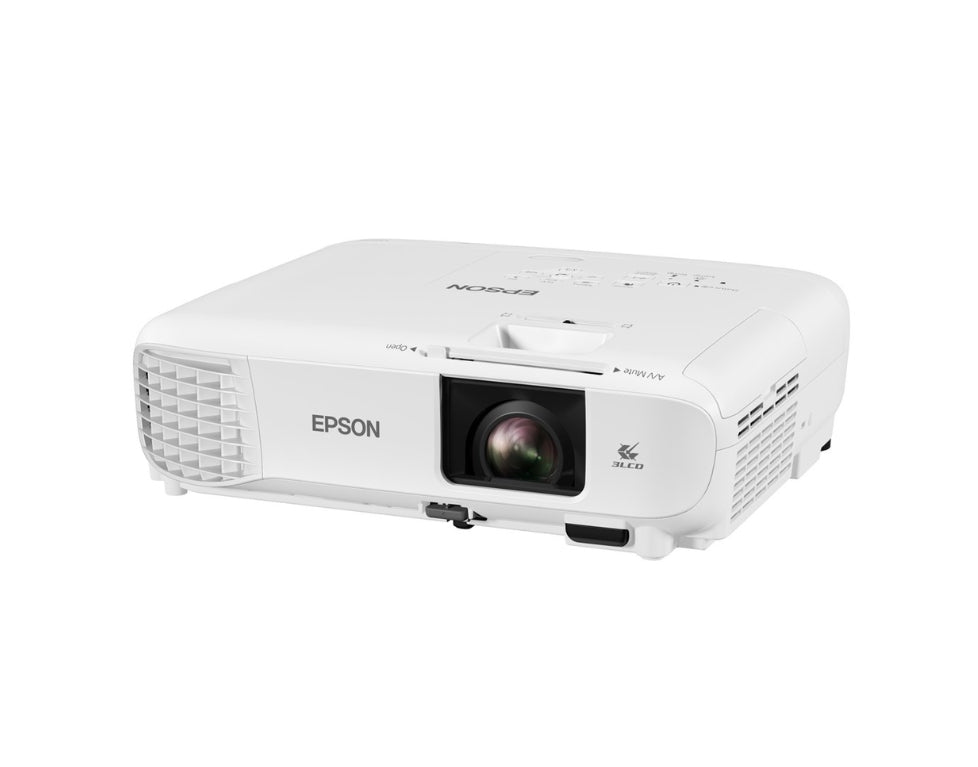
LCD
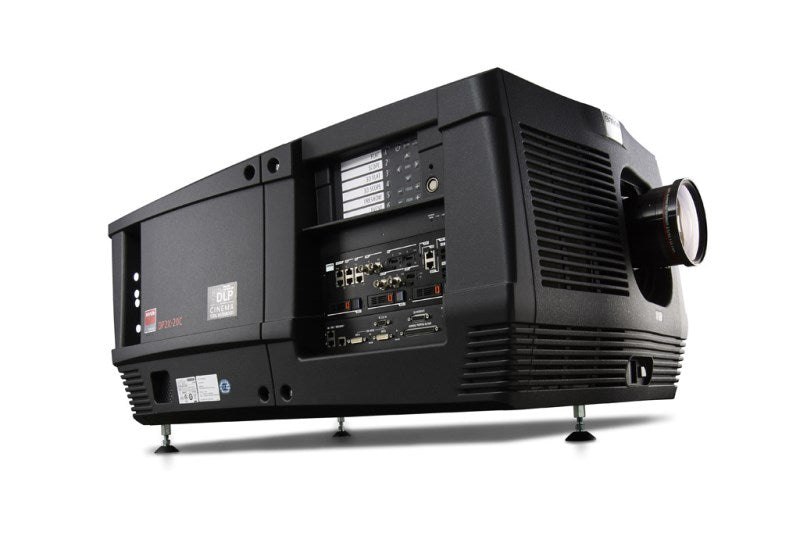
LCD Projectors (Liquid Crystal Displays) The difference between a DLP projector and an LCD projector lies in the way the image is projected using a lamp light source.
LCD projectors display images using red, blue, and green light beams that pass through individual LCD panels.
These rays are combined using a dichroic prism to project the image through a lens.
LCD projectors are the best choice for business presentations or use in medium to large boardrooms due to the brightness (high level of illumination) they produce. Furthermore, they are very practical because of their compact size, light weight, and low energy consumption.
Currently, projectors with reflective 3LCD lasers are used, which do not have a color wheel, therefore providing blacker blacks, whiter whites, and brighter, more vibrant colors.
The important points to consider before purchasing an LCD projector are: Resolution, Aspect Ratio, Contrast, Brightness, and Sharpness. The most common resolutions for LCD projectors are: 1280 x 720, 1280 x 768, and 1920 x 1080.
The aspect ratio refers to the screen size.
Typically, a projector's aspect ratio is 4:3 or 16:9. For example: 4:3 means that for every 4 units in width, the screen has three units in height.
Contrast is the difference between light and dark areas in an image. Better contrast results in a more detailed image.
Brightness refers to the amount of light that passes directly from the source image to the lens and is measured in lumens.
Because there is little light loss, better images are obtained. Sharpness will provide us with clearer images, texts and graphics.